Insights

Top Software Development Trends Businesses Must Watch

Understand the technologies, practices, and architectural shifts that are shaping modern software development and helping businesses build faster, smarter, and more scalable digital products.

Top Software Development Trends Businesses Must Watch

In today's rapidly evolving digital landscape, staying updated with the latest software development trends is no longer optional, it is essential for business survival and growth. Companies that adopt modern technologies early gain a competitive edge by improving efficiency, enhancing customer experiences, and building scalable solutions. As we move deeper into 2026, several key trends are reshaping how software is designed, developed, and deployed.

One of the most transformative trends is the integration of Artificial Intelligence (AI) into software applications. AI is no longer limited to advanced tech companies; it is now being widely adopted across industries. From chatbots and recommendation engines to predictive analytics and automation tools, AI helps businesses streamline operations and make smarter decisions. AI-powered software can analyze large volumes of data in real time, enabling organizations to personalize user experiences and improve productivity.

Top software development trends businesses must watch
Cloud-native development and modern software delivery

Cloud-Native Development and Scalable Architectures

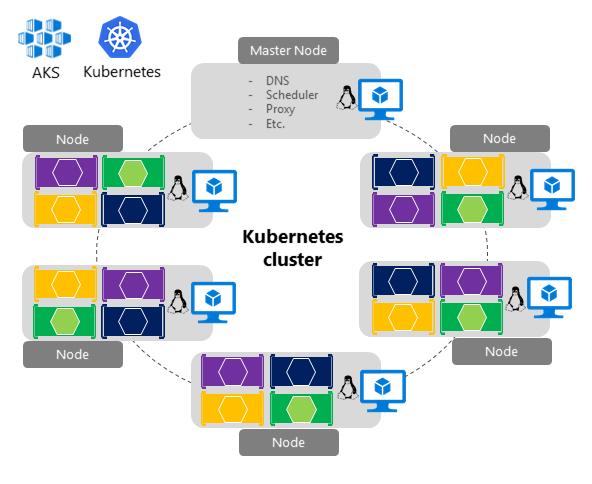
Another significant trend is the shift toward cloud-native development. Traditional software architectures are being replaced by microservices and container-based systems that run on cloud platforms. This approach allows businesses to build highly scalable and flexible applications. Cloud-native solutions also support faster deployment, easier maintenance, and better performance. With the rise of platforms like AWS, Azure, and Google Cloud, businesses can now innovate without investing heavily in physical infrastructure.

The increasing adoption of low-code and no-code platforms is also changing the development landscape. These platforms enable businesses to create applications with minimal coding, reducing dependency on large development teams. This is especially useful for startups and small businesses that want to launch products quickly. Low-code tools empower non-technical users to participate in the development process, accelerating innovation and reducing time-to-market.

DevOps, Automation, and Faster Delivery

In addition, DevOps practices and automation are becoming standard in modern software development. DevOps bridges the gap between development and operations teams, ensuring smoother collaboration and faster delivery cycles. With Continuous Integration and Continuous Deployment (CI/CD) pipelines, businesses can release updates more frequently and with fewer errors. Automation tools help streamline testing, deployment, and monitoring, leading to improved software quality and reliability.

Businesses that modernize their software strategy early can build more resilient products, reduce operational friction, and respond faster to market demand.

DevOps automation and continuous delivery
Secure software development and future-ready systems

Security as a Core Development Priority

Security is another critical focus area. With the rise in cyber threats, businesses are prioritizing secure software development practices. Concepts like DevSecOps ensure that security is integrated into every stage of the development lifecycle, protecting applications and user data from vulnerabilities.

In conclusion, trends like AI integration, cloud-native development, low-code platforms, DevOps, and enhanced security are shaping the future of software development. Businesses that embrace these innovations will not only improve operational efficiency but also position themselves for long-term success in an increasingly digital world.

Software Development AI Cloud DevOps Security