Insights

Agentic AI: The Rise of Autonomous Systems

Explore how autonomous AI agents are enabling end-to-end automation, faster decisions, and more adaptive business operations across modern digital systems.

Agentic AI: The Rise of Autonomous Systems

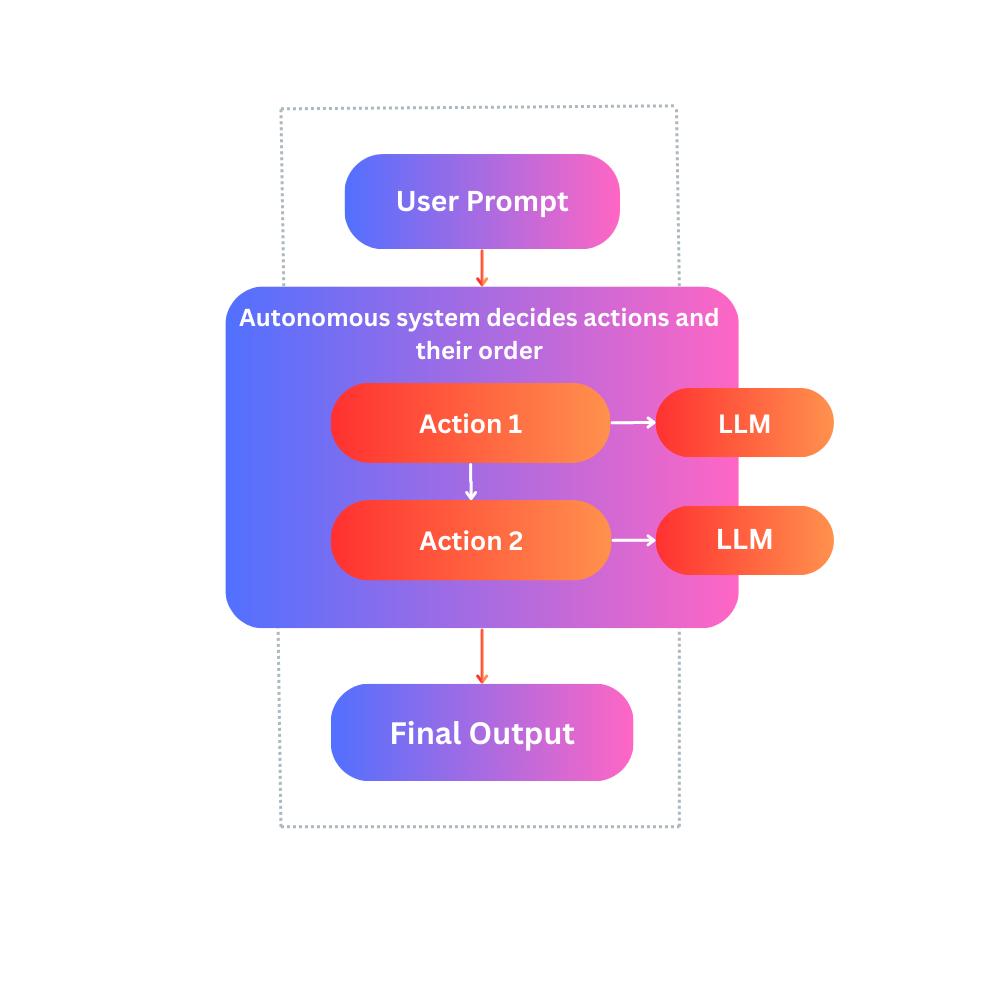
Agentic AI represents the next major evolution in artificial intelligence, moving beyond passive tools to systems that can act independently, make decisions, and complete tasks with minimal human intervention. Unlike traditional AI, which responds to specific inputs, agentic AI systems are designed to plan, execute, and adapt based on goals and real-time data.

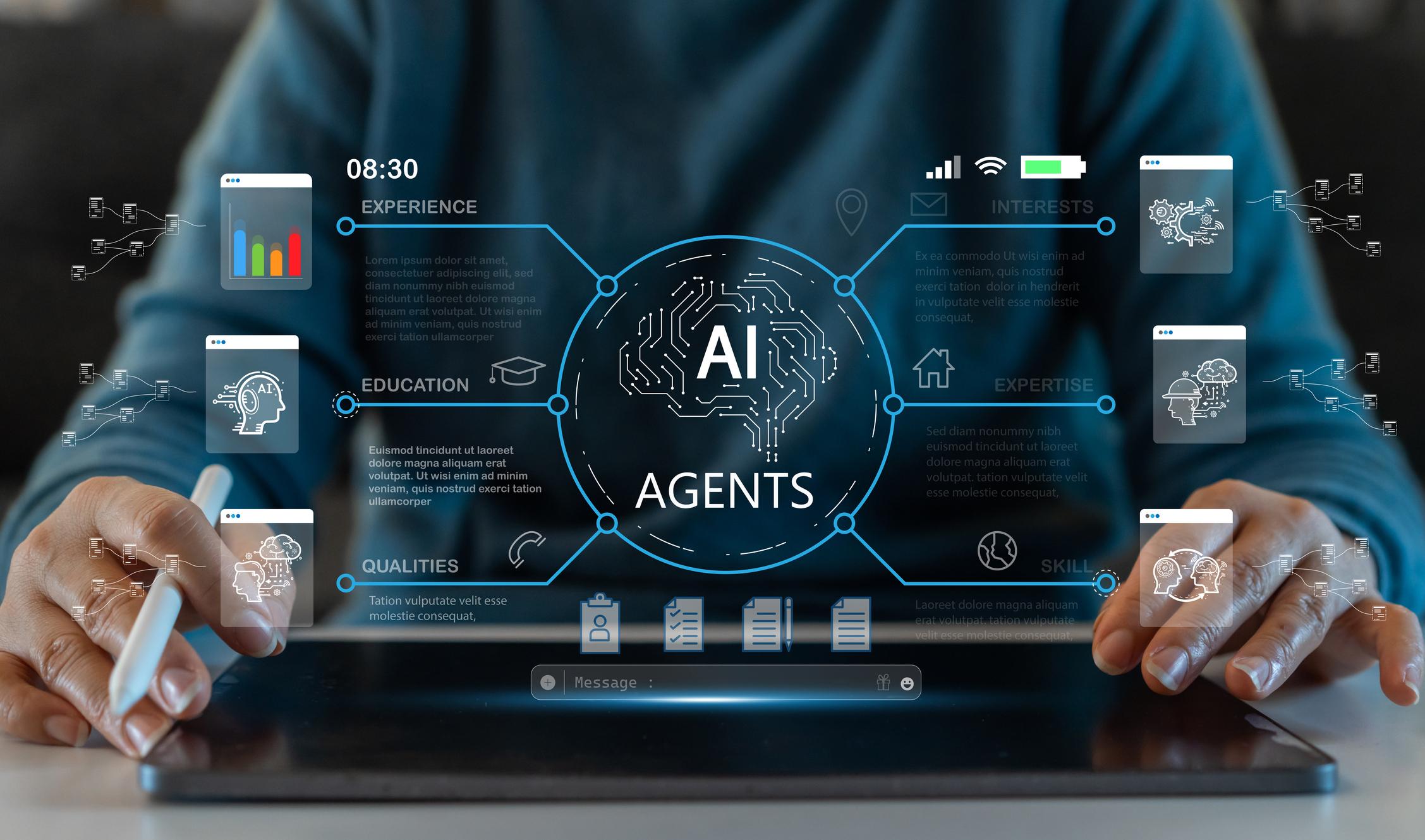
At its core, agentic AI works through autonomous agents, software entities capable of understanding objectives, analyzing data, and taking actions across systems. These agents can interact with applications, APIs, and even other agents to complete complex workflows. For example, in a business setting, an AI agent can manage customer queries, process orders, update records, and generate reports without constant supervision.

Agentic AI systems planning and executing autonomous tasks
Autonomous AI agents automating business workflows

End-to-End Automation Across Operations

One of the biggest advantages of agentic AI is end-to-end automation. Businesses can automate repetitive and time-consuming processes such as customer support, data entry, scheduling, and monitoring operations. This not only reduces operational costs but also allows teams to focus on strategic and creative tasks.

Another key benefit is real-time decision-making. Agentic AI systems can analyze large volumes of data instantly and make informed decisions based on predefined goals and learned patterns. This capability is especially valuable in industries like finance, healthcare, logistics, and e-commerce, where quick and accurate decisions are critical.

Scalability, Adaptability, and Business Agility

Agentic AI also supports scalability and adaptability. As business needs evolve, these systems can be trained and configured to handle new tasks, integrate with additional tools, and operate across multiple environments. This flexibility makes them a powerful asset for growing organizations.

Agentic AI changes the role of software from a passive tool into an active operator that can pursue business goals with speed and precision.

Scalable AI agents adapting across business environments
Governance security and oversight for autonomous AI systems

Governance, Security, and Responsible Adoption

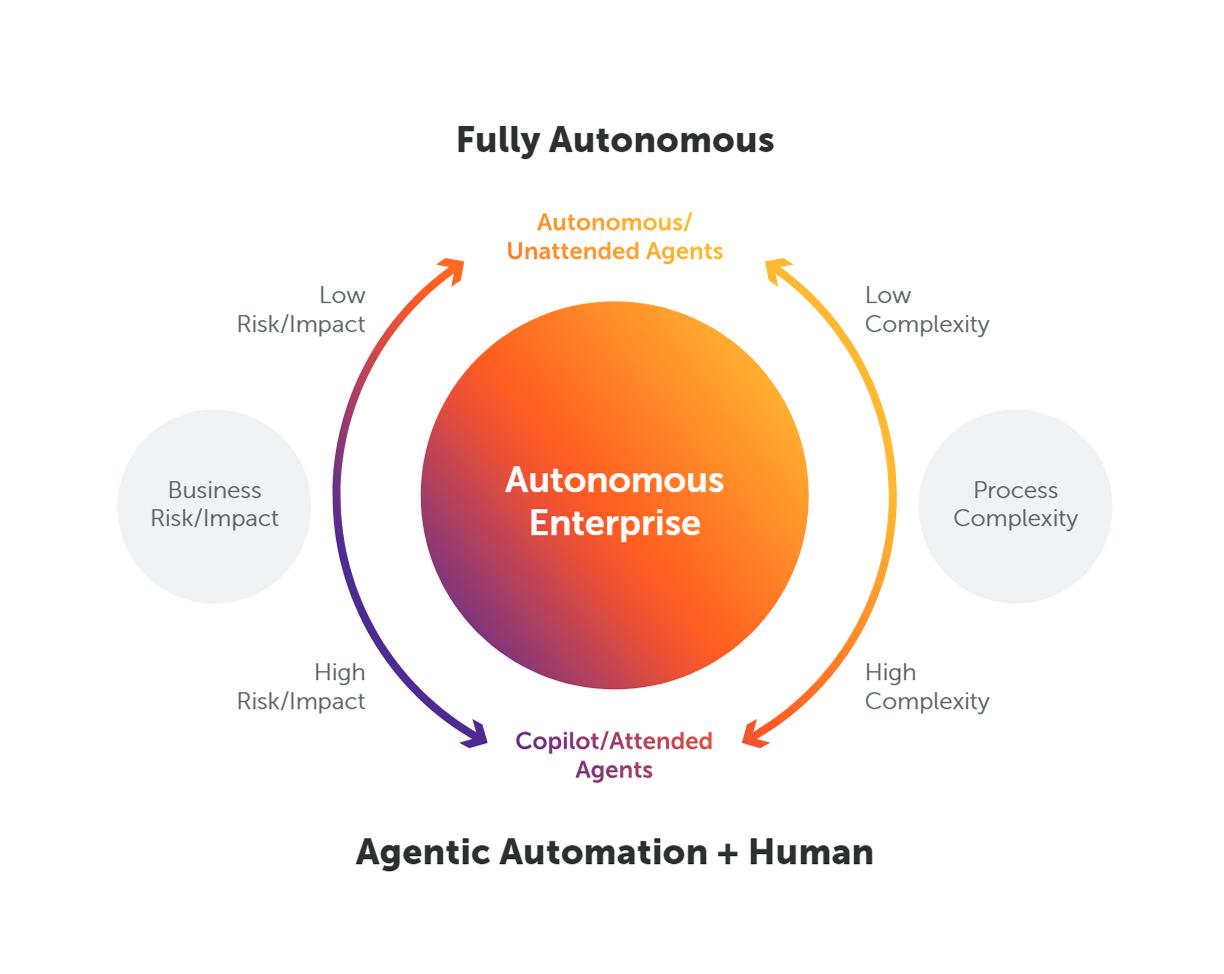
However, with great power comes responsibility. Businesses must ensure proper governance, security, and ethical use of autonomous systems. Clear guidelines, monitoring mechanisms, and human oversight are essential to prevent unintended actions and maintain trust.

In conclusion, agentic AI is transforming how businesses operate by enabling intelligent automation and autonomous decision-making. Organizations that adopt this technology early will gain a significant competitive advantage by improving efficiency, reducing costs, and accelerating innovation.

Agentic AI Autonomous Systems Automation Decision-Making AI Governance