Insights

Confidential Computing for Data Security

Learn how trusted execution environments help protect sensitive data during processing and strengthen privacy, cloud trust, and regulatory compliance.

Confidential Computing for Data Security

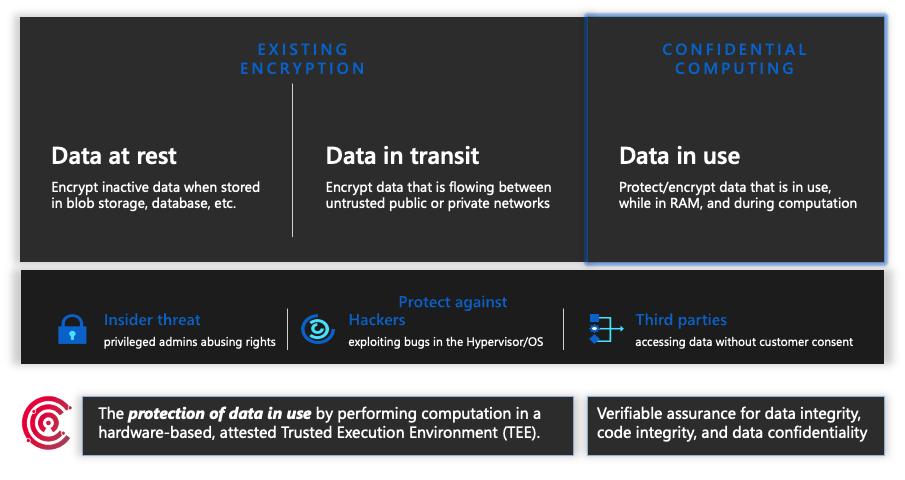
As businesses increasingly rely on digital systems and cloud platforms, protecting sensitive data has become more critical than ever. Traditional security methods focus on encrypting data at rest and in transit, but data is often exposed while being processed. Confidential computing addresses this gap by ensuring that data remains encrypted even during computation.

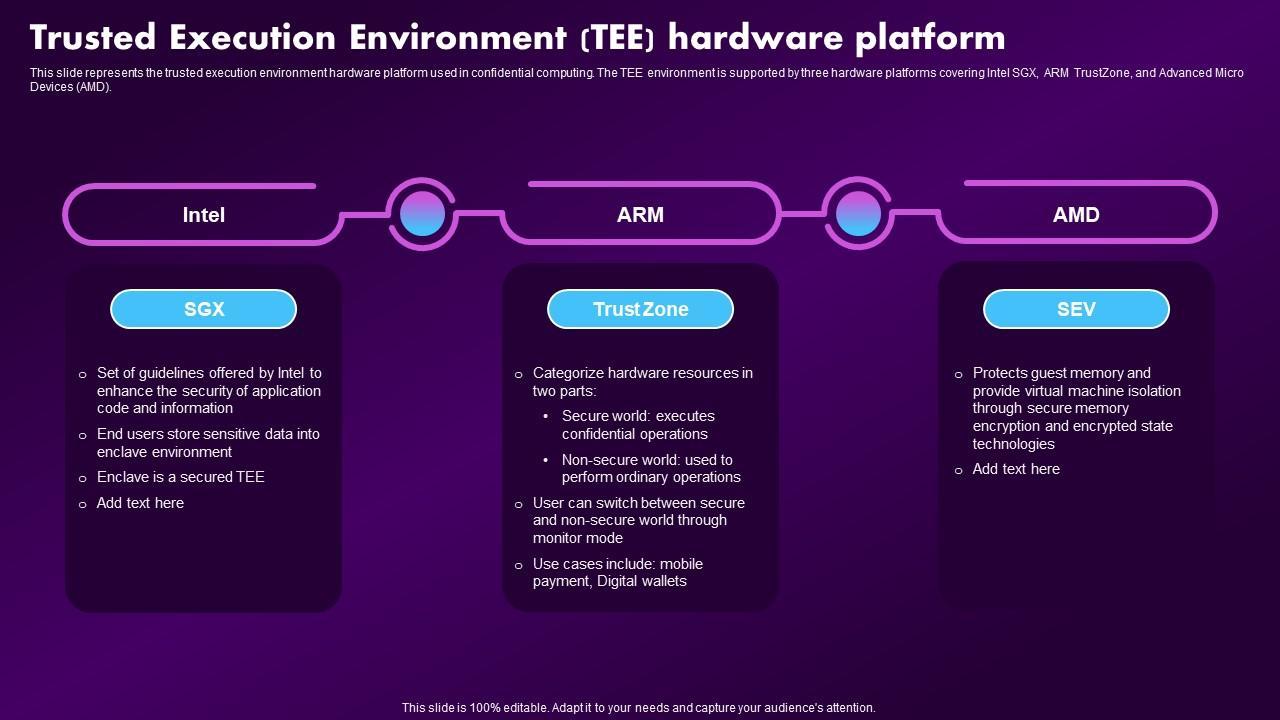
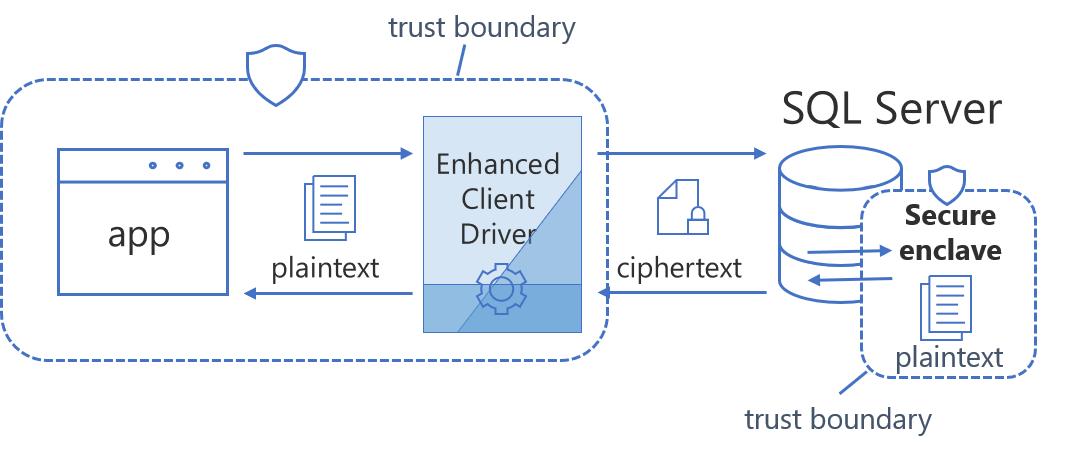
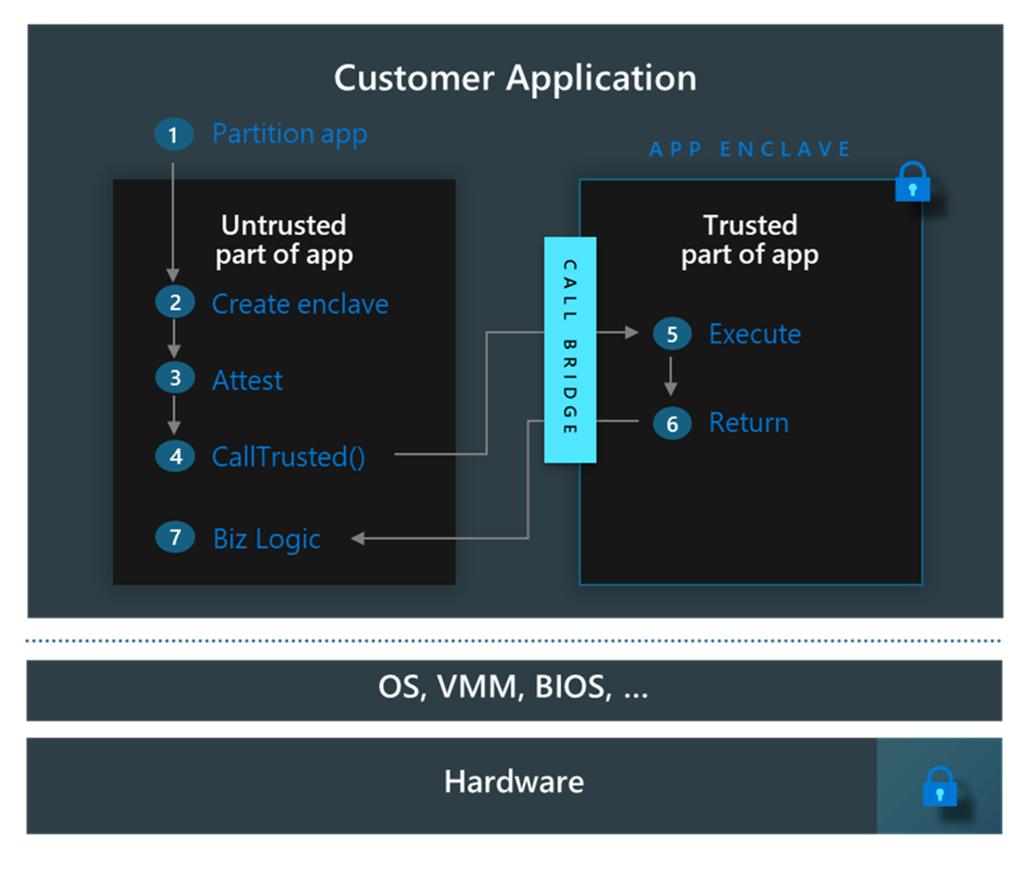
At the core of confidential computing are Trusted Execution Environments (TEEs), also known as secure enclaves. These are isolated areas within a processor where sensitive data can be processed securely. Even the system’s operating system or administrators cannot access the data inside these enclaves, providing an additional layer of protection against internal and external threats.
Confidential computing protecting sensitive data during processing
Trusted execution environments securing confidential workloads

Data Privacy and Secure Processing

One of the key benefits of confidential computing is enhanced data privacy. Businesses handling sensitive information, such as financial records, healthcare data, or customer details, can process data without exposing it to unauthorized access. This is especially important in industries with strict compliance requirements.

Another advantage is secure collaboration. Organizations can share and process encrypted data across multiple parties without revealing the underlying information. For example, companies can jointly analyze data for insights while maintaining confidentiality, enabling new opportunities for partnerships and innovation.

Cloud Trust and Regulatory Readiness

Confidential computing also strengthens cloud security. As more businesses move to cloud environments, concerns about data exposure increase. This technology ensures that even cloud providers cannot access sensitive data during processing, building greater trust in cloud adoption.

Protecting data only when stored or transmitted is no longer enough; modern systems also need protection at the moment sensitive computation happens.

Confidential computing strengthening cloud security and trust
Compliance privacy and long-term resilience with confidential computing

Compliance, Risk Reduction, and Resilience

Additionally, it supports regulatory compliance by helping organizations meet data protection standards and privacy laws. By minimizing data exposure, businesses can reduce risks related to breaches and legal penalties.

In conclusion, confidential computing is redefining data security by protecting information at every stage, storage, transit, and processing. As cyber threats continue to evolve, adopting advanced security approaches like confidential computing is essential for businesses that prioritize data privacy, trust, and long-term resilience.

Confidential Computing Data Security Privacy Cloud Security Compliance